We're building AI that understands mechanical sounds well enough to help people decide what to do when a machine makes noise. We're starting with cars.
20 kHz1612840
Above 8 kHzBelow 8 kHz
Most audio AI models hear nothing above this line
0 s24689.5 s
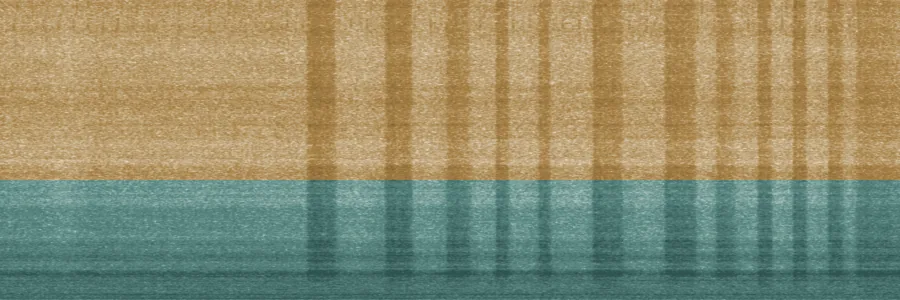
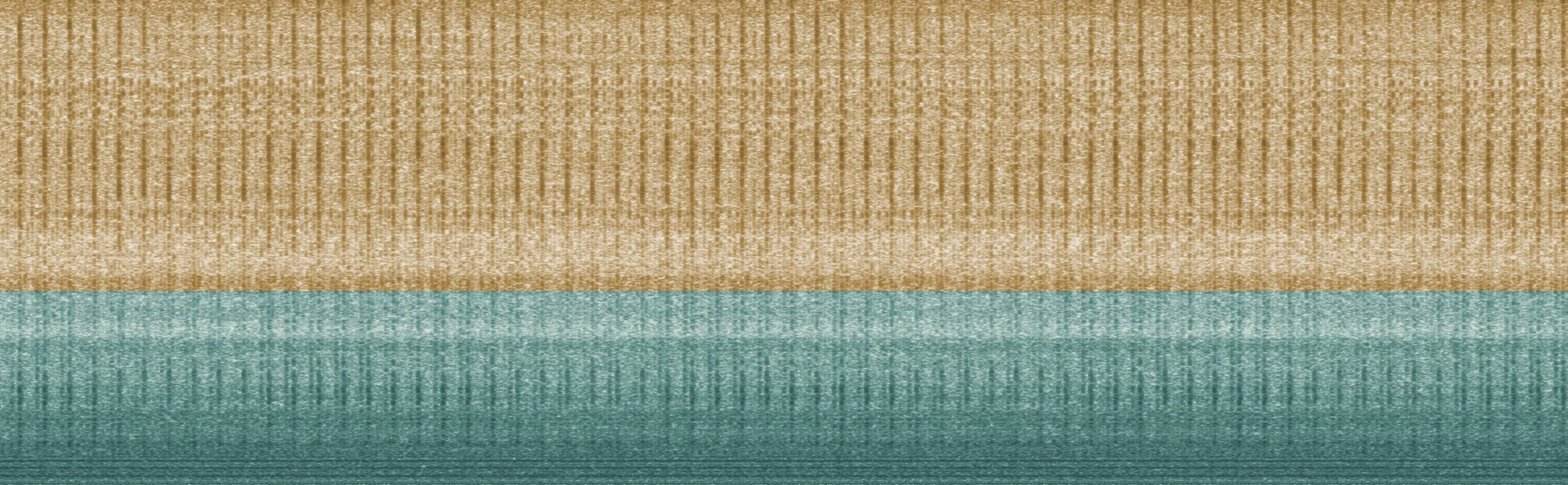
A real recording from our dataset: an engine ticking on a cold start, picked up by our recorder magnet-mounted in the engine bay and drawn from 0 to 20 kHz. Most widely used audio AI models take in audio at 16 kHz, so they can't hear anything above 8 kHz, which is where these ticks stand out most clearly.
No one has published the data this needs
Mechanics diagnose a lot by ear. A squeal, a tick or a hum carries real information about what's wrong. Teaching a machine to hear that takes recordings of real faults on real cars, each one labeled by someone who knows what they're hearing.
As far as we can find, no public dataset brings these together: faults that customer cars actually came in with, recorded in a working repair shop, each paired with a normal recording of the same car on the same day. So we're building one, one car at a time.
How we collect
Every car gives us three recordings. Hearing the problem next to the same car sounding normal, in the same room on the same day, is what lets a model learn the difference between a fault and just that car.
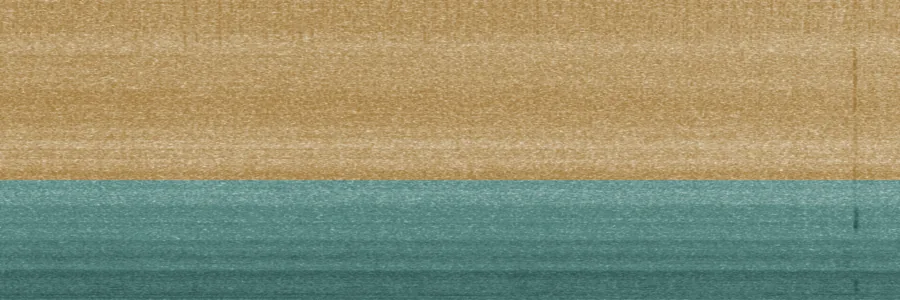
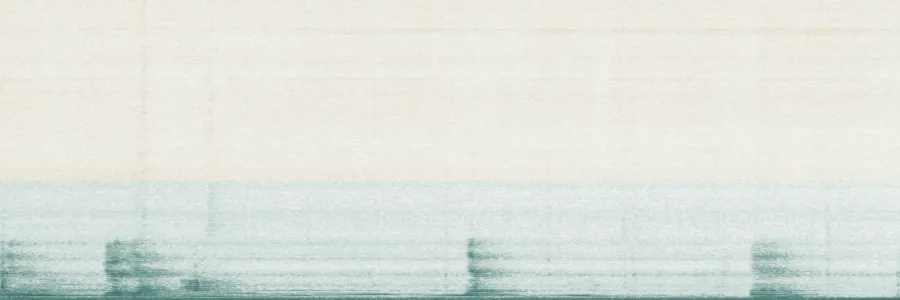
The problem soundThe noise the car came in with: here, a hiss labeled as coming from the transmission.The same car, sounding normalA healthy part of the same car, same shop, same day. This is the comparison that teaches.The shop, car offRoom tone: what the shop sounds like on its own, so a model learns to ignore it.
Three real recordings from one car, all taken from the same recording session, 7 seconds each, drawn from 0 to 20 kHz on one shared loudness scale.
Simplified side view of our second-generation recorder.
The recorder we built
We designed our own recorder because a phone or a cabled microphone can't sit safely in a running engine bay. It mounts on the car, records on its own, and never trails a cable.
Mounting
Rubber-faced magnets hold it against the car, as close to the sound as it can safely get.
Recording
48,000 samples a second at 16 bits, enough to capture sound up to 20 kHz.
Storage
Every clip is written to the recorder's own SD card first, so a dropped Wi-Fi connection never loses a recording.
Transfer
Clips copy over the shop's network to our server. The card keeps its copy until the server confirms it arrived.
Power
Battery powered, with no cable to the tablet or to the person recording.
Record
In the shop, the recorder goes where the sound is, and the tablet notes where it was placed.
Describe
Right after each recording, the app asks for a short note and how noticeable the sound was.
Cut and confirm
A second person listens again, cuts the recording into labeled pieces, and confirms each label.
Keep the history
Every label records who made it, where the mic was, and what the car was doing at the time.
“Unknown” is always an allowed answer. We'd rather record that we don't know than store a guess.
Where this could go
Directions we're exploring. None of these is a product yet.
For mechanicsA diagnostic assistant that listens alongside them and shows its evidence, not just a verdict.
For fleet managersA maintenance monitor that ranks which vehicles need attention first.
For every vehicleAn audio fault log that records when an abnormal sound started, and when it stopped.
For driversA phone assistant that explains a noise, gives a diagnosis to bring to a shop, and points to local shops that do that repair.
Beyond carsLater, the same kind of listening for industrial machines.
Where we are
Recording begins in a working repair shop in Spokane, Washington.
Our first in-house recorder goes into use in the shop.
Accepted into ZIP Launchpad, San Diego State University's startup incubator.
Recording and labeling in the shop, and testing the second-generation recorder on the bench.
First models trained on our own data.
Who we are
Three people, from the workbench to the shop floor.
RA
Robert Ashe
Engineering. Designs and builds the hardware and software, and processes and models the data.
San Diego, CA
LD
Lindsey Duvanich
Data operations. Runs the collection program, cuts recordings and confirms labels.
ZT
Zack Thurman
Data collection. Records vehicles in the shop.
Spokane, WA
Spokane, WashingtonWhere the recordings are made
About 1,030 miles, almost due south
San Diego, CaliforniaWhere the engineering happens
Part of ZIP Launchpad at San Diego State University
Car Sounds is a member of ZIP Launchpad, SDSU's startup incubator.
 Above 8 kHz
Below 8 kHz